
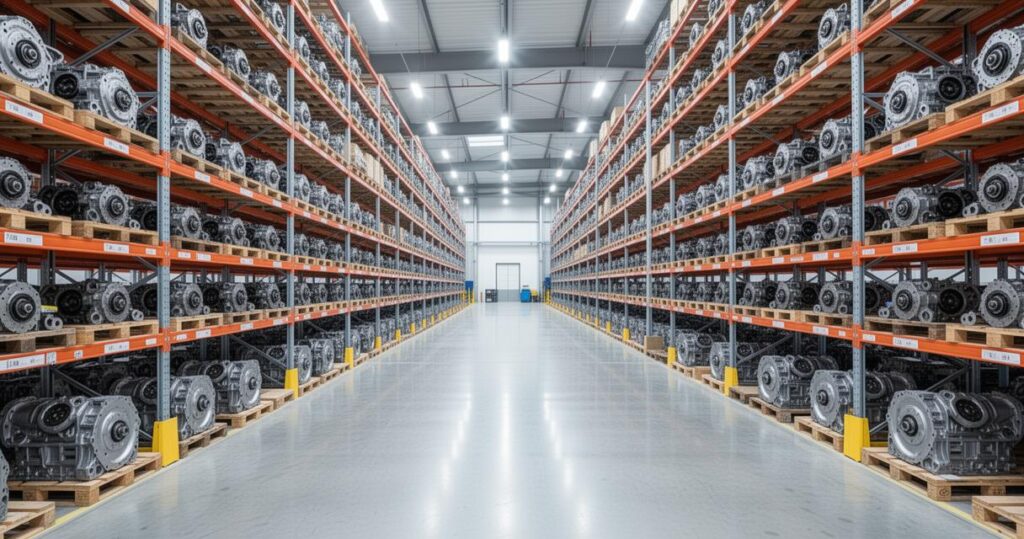
In the world of industrial machinery, reliable power transmission is the backbone of productive operations. Whether you are managing a manufacturing facility, running a textile spinnerij, or overseeing complex drive systems, the quality of your belts, motors, and associated components directly determines how efficiently your equipment performs. Vermeire Belting has built its reputation as a trusted specialist in power transmission, offering a comprehensive assortment of belts, aandrijvingen, and motors to meet the demands of diverse industrial environments.
In short
- Reliable power transmission is essential for industrial productivity, requiring high-quality belts, motors, and drive components.
- Selecting the correct belt type, such as trapezoidal or timing belts, must be based on load, speed, and environmental conditions to avoid premature failure.
- Proper belt tension is critical; inadequate tension generates heat and friction, which significantly degrades belt materials and reduces service life.
- Electric motors and drive units require regular maintenance, including heat dissipation management and temperature monitoring, to prevent cascading system failures.
- Preventive maintenance schedules should include precision alignment of shafts and inspection of bearings and gearboxes to avoid uneven stress on mechanical components.
- Investing in high-quality, branded components reduces the total cost of ownership compared to lower-cost substitutes, which often have a shorter lifespan.
- Maintenance teams should strictly follow technical documentation and manufacturer specifications to ensure proper installation, storage, and replacement intervals.
Optimising industrial belt performance and longevity
Keeping industrial belts in peak condition requires more than occasional glances at the machinery. A thorough understanding of belt types, their specific applications, and the conditions that accelerate wear is essential for any maintenance professional. Vermeire Belting’s expertise in riemen and krachtoverbrenging means that clients benefit from guidance grounded in genuine technical knowledge, whether they are sourcing trapezoidal belts, getand timing belts, or specialised carbon-reinforced variants suited to high-demand environments.
Selecting suitable timing and trapezoidal belts for high-load systems
Choosing the right belt for a given application begins with understanding the load, speed, and environmental conditions of the drive system. Trapezium belts, for instance, are widely used across industrial settings because of their ability to transmit torque effectively between shafts, particularly in systems where space constraints make other solutions impractical. Timing belts, on the other hand, provide precise synchronisation between drive elements, making them indispensable in applications where slippage cannot be tolerated. The materiaal used in belt construction plays a crucial role: synthetic rubber compounds reinforced with polymer fibres offer a compelling combination of flexibility, tensile strength, and resistance to temperature fluctuations. When selecting from a broad assortiment, it is important to match belt specifications to the equipment manufacturer’s recommendations, as using an incorrect belt code or profile can lead to premature failure and costly downtime.
Implementing regular checks on carbon and steel belt tension
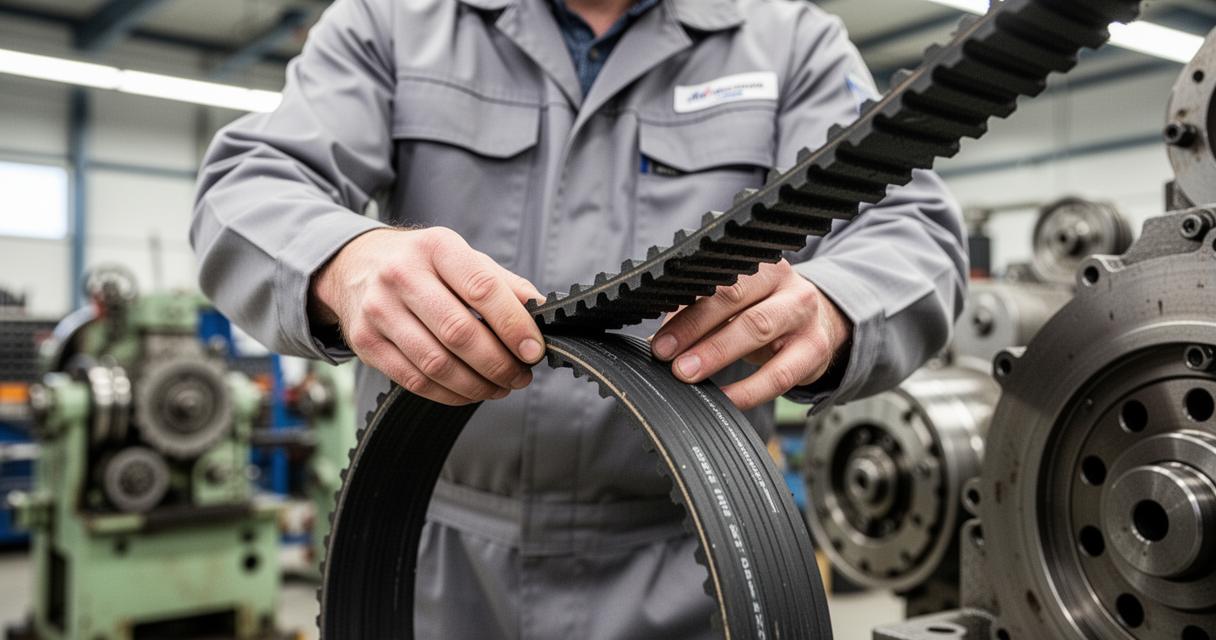
One of the most common causes of belt failure in industrial settings is incorrect tensioning. An under-tensioned belt generates excessive friction as it slips against the pulley surface, producing heat that degrades the belt material and the associated drive elements far more rapidly than normal wear. Cracked belts are frequently the direct result of inadequate tension, and identifying this issue early during routine inspections can prevent costly unplanned stoppages. For carbon and staalsoorten belt variants, which are often deployed in higher-load or higher-speed applications, proper tension adjustment after the initial hours of operation is particularly important. Industry guidance suggests checking V-belts after the first one to two hours of use, then re-tensioning according to the manufacturer’s specifications. Storing belts correctly also matters: keeping them in a dry, airy location away from direct sunlight preserves their structural integrity and extends their usable service life.
Essential care for electric motors and drive units
Belts are only one element of a broader power transmission chain. The elektrisch motors and drive units that anchor these systems require equally attentive maintenance to deliver consistent performance. Neglecting these components can lead to failures that cascade through the entire drive system, turning a minor service task into a significant repair project.
Managing heat dissipation and electrical stability in drive systems
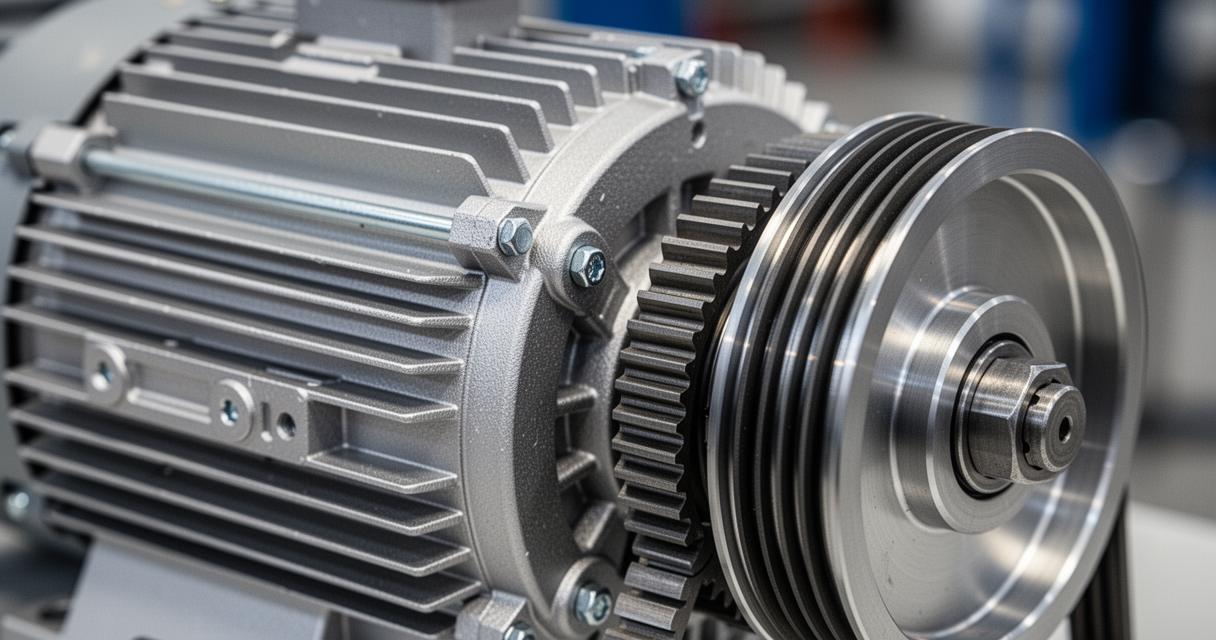
Electric motors generate heat as a natural by-product of their operation, and managing that heat is central to maintaining electrical stability and mechanical integrity. Poor ventilation around the motor housing, contamination of cooling fins with dust or oil, and operating the motor beyond its rated vermogen all accelerate thermal degradation. Drive belt inspection should therefore always include a check on motor operating temperatures, as an overheating motor often signals an underlying issue with belt tension, shaft alignment, or component lubrication. In multi-groove belt systems, where a single belt drives several engine or machine components simultaneously, the consequences of electrical or thermal instability can be particularly widespread. Monitoring performance metrics such as temperature and vibration levels provides an early warning system that enables maintenance teams to act before failure occurs.
Conducting routine inspections on mechanical components and housing
Routine inspection of mechanical drive systems should follow a structured preventive maintenance schedule that covers all critical components, not just the belts themselves. Shafting, bearings, gearings, and motor housing all require periodic examination. Misaligned shafts are a particularly common source of premature wear, placing uneven stress on belts, bearings, and couplings alike. Alignment should always be carried out according to equipment specifications using precision tools, as relying solely on visual checks or coupling tolerances is rarely sufficient. Gearbox components deserve special attention: overloading, worn internal gearings, or changes in application profile can all contribute to gearbox failure, and identifying the root cause of any failure is essential to prevent the same problem from recurring in replacement units.
Leveraging specialist expertise and quality components for reliable operations
Beyond the technical aspects of maintenance, the choice of supplier and the quality of components sourced have a direct bearing on long-term reliability. Investing in high-quality belts, rollers, and pulleys rather than opting for lower-cost substitutes is a decision that pays dividends over time. Industry data indicates that branded multi-groove belts can achieve an average lifespan of around 120,000 km, whilst substitute products may last only half that distance, illustrating clearly how component quality affects the total cost of ownership. Vermeire Belting’s position as a specialist with strong partners and a well-stocked voorraad means that clients can source the right product with confidence.
Sourcing robust power transmission parts from trusted partners
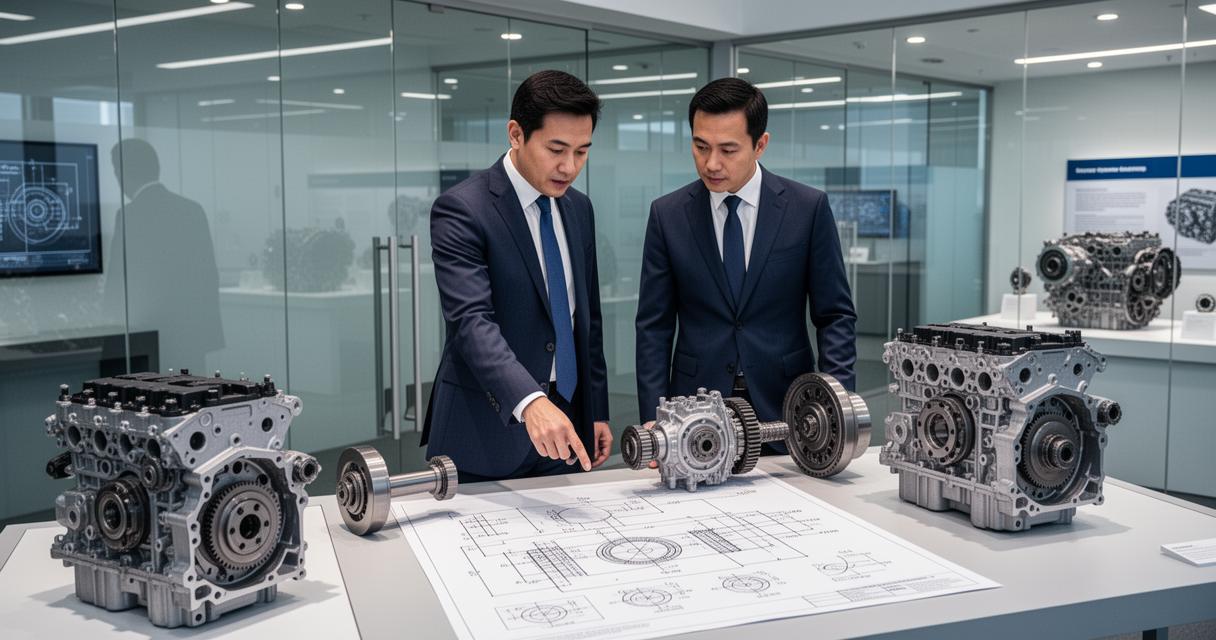
The breadth of Vermeire Belting’s producten range reflects its commitment to serving a wide variety of industrial needs. From standard V-belts to more specialised aandrijving solutions, the focus is on providing components that meet rigorous quality standards. Power transmission belts and drive elements sourced from trusted partners come with the assurance of consistent manufacturing tolerances, which is critical when precision and reliability are non-negotiable. Inferior components may appear to function adequately in the short term, but their tendency to fail unexpectedly introduces risks that well-maintained, quality-sourced alternatives simply do not present. Straps or belts manufactured more than five years prior, for example, are generally considered unsuitable for use, regardless of their outward appearance, because material degradation occurs even during storage.
Utilising technical documentation and material insights for preventive care
Technical documentation is an underused resource in many maintenance programmes. Belt codes, material specifications, installation guides, and doc sheets provided by manufacturers contain precise information about tension ranges, operating temperatures, compatible drive elements, and replacement intervals. Vermeire Belting’s expertise extends to helping clients interpret and apply this information effectively, translating technical data into practical maintenance actions. Material insights (particularly regarding the staalsoorten and koolstof variants in the assortiment) enable maintenance teams to make informed decisions about belt selection, tensioning procedures, and component lubrication practices. Conveyor belt maintenance, for instance, benefits enormously from a combination of regular cleaning to prevent debris buildup, proper belt tracking to avoid mistracking and slippage, and scheduled tension adjustments. Together, these practices minimise downtime, extend the lifespan of drive components, and support the kind of efficient, reliable industrial operations that Vermeire Belting’s clients depend upon.